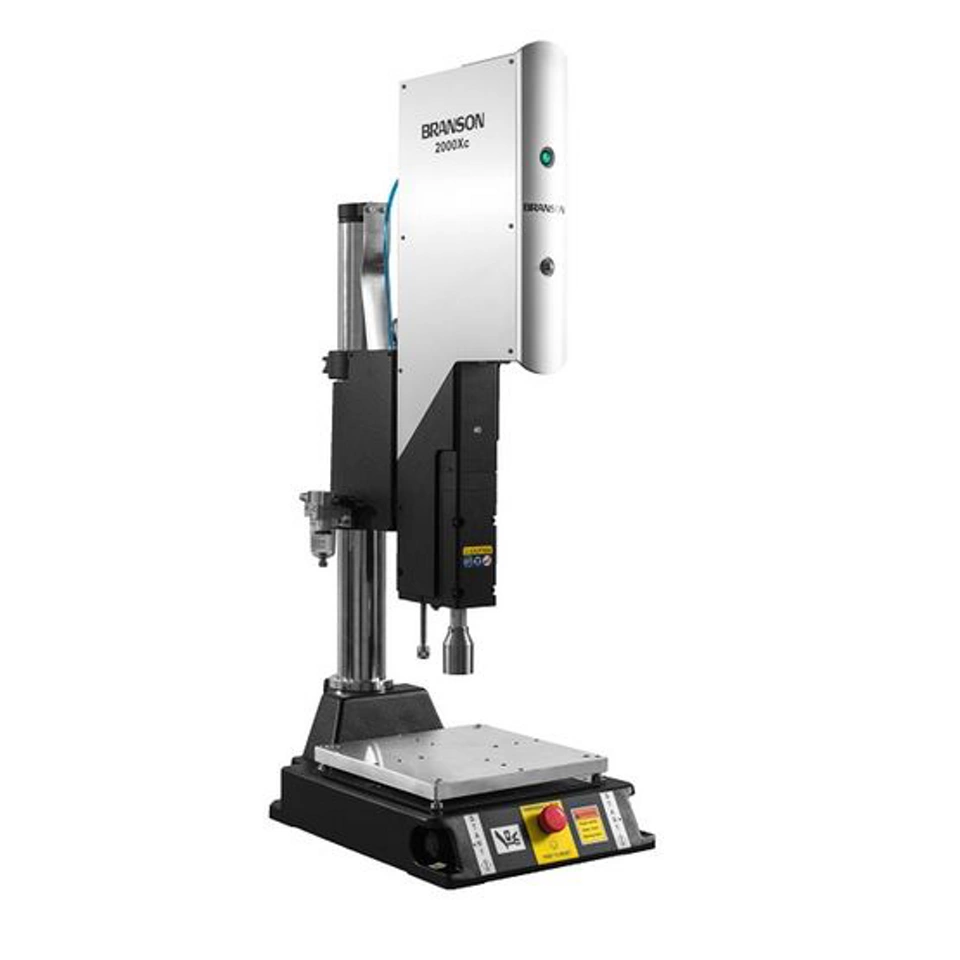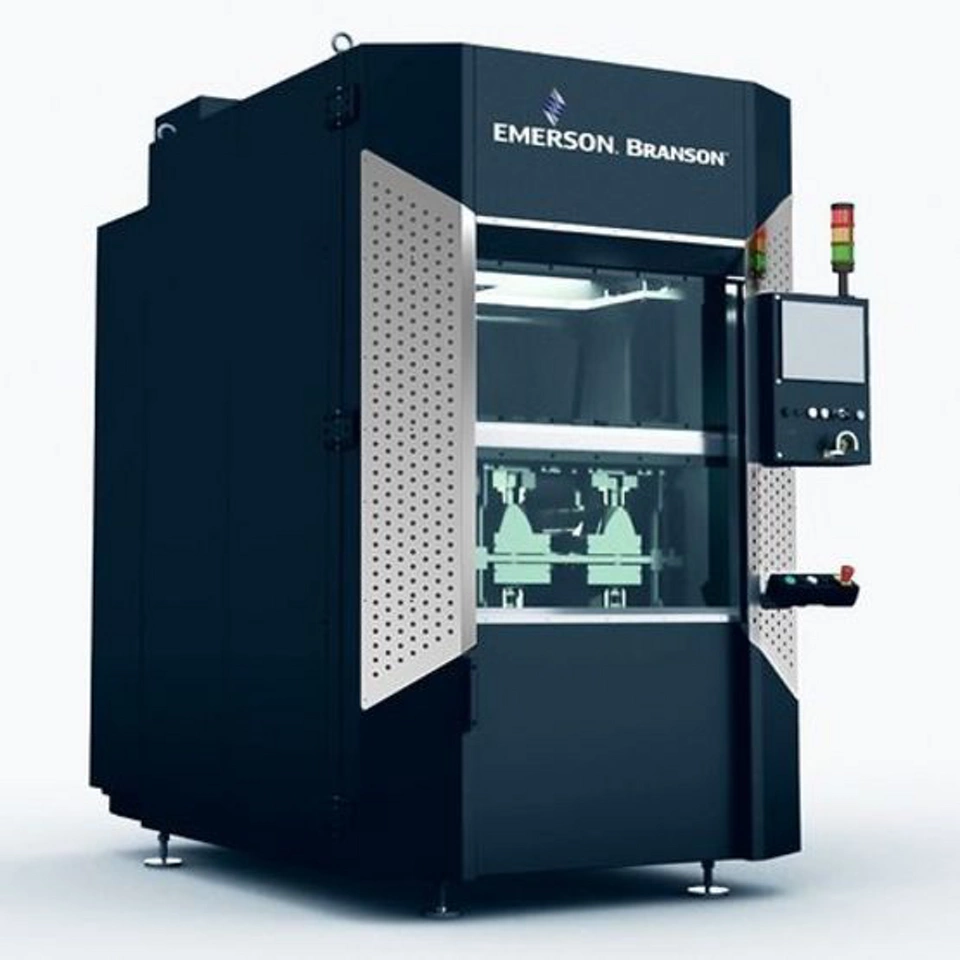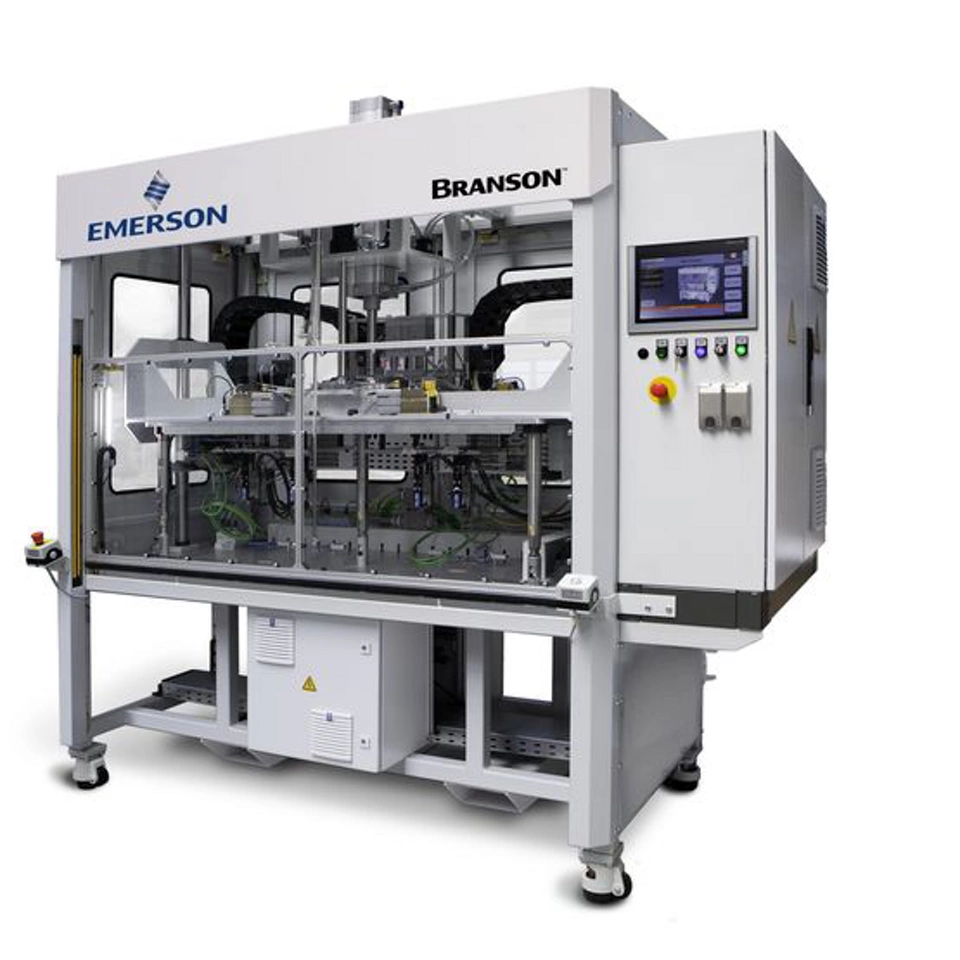
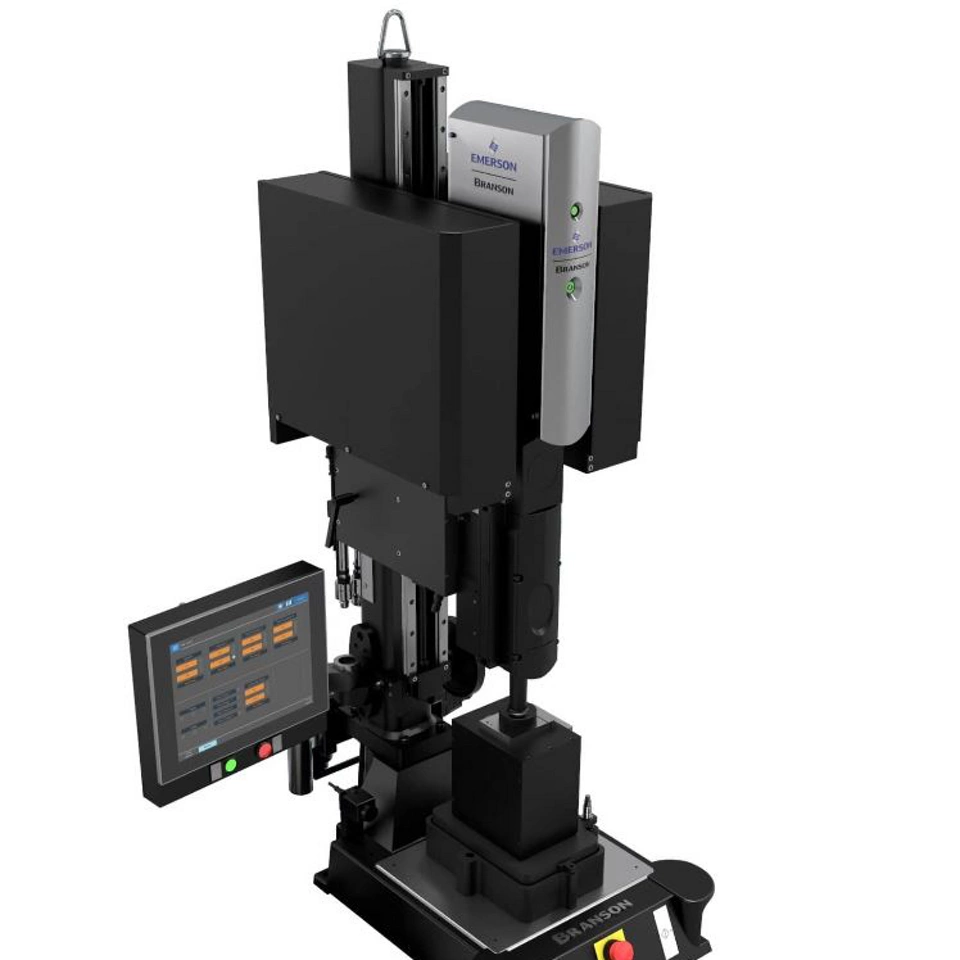
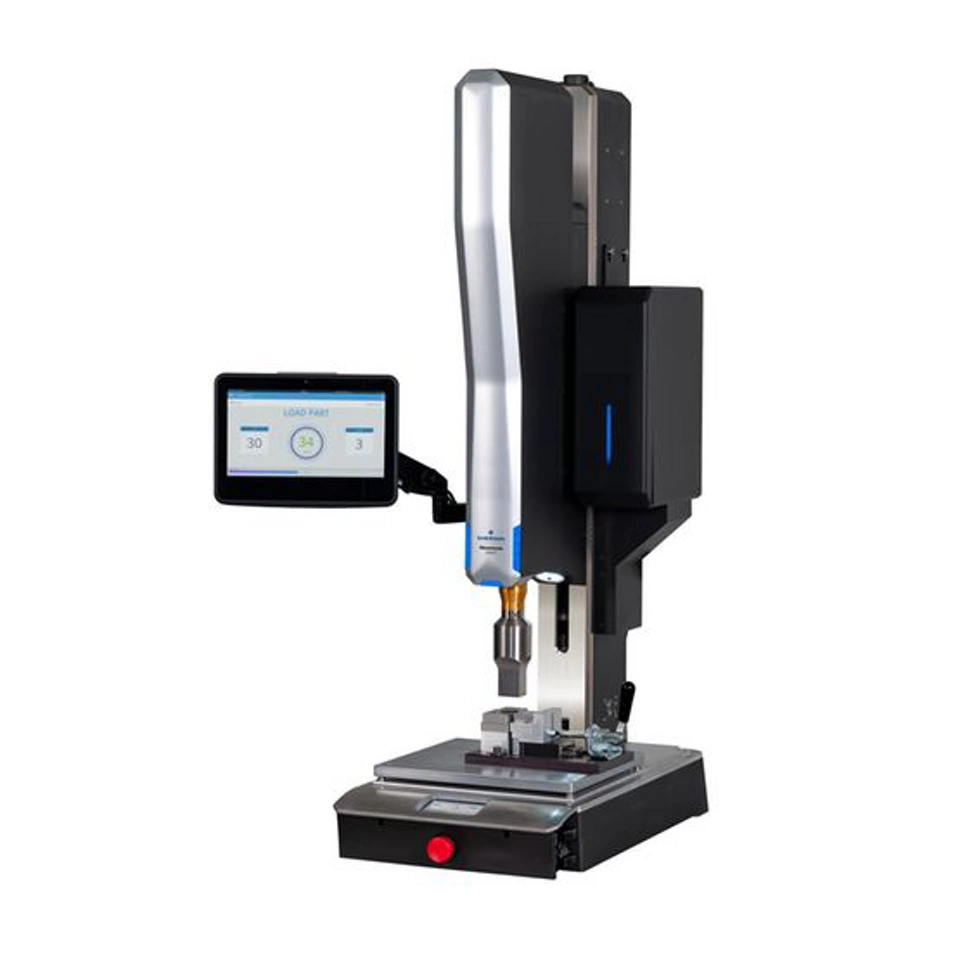
Emerson offers an array of Branson plastic welding solutions, including ultrasonic and laser welding, to improve the efficiency, quality, and output of compliant medical devices. Fast-cycling and automation-friendly, our solutions join plastics without the added complexity and cost of fasteners, adhesives, or snap-fit joint designs. From cost-efficient welding solutions for PPE, syringes and infection control products to high-purity bonding for IV bags, dialysis filters, or critical care items.
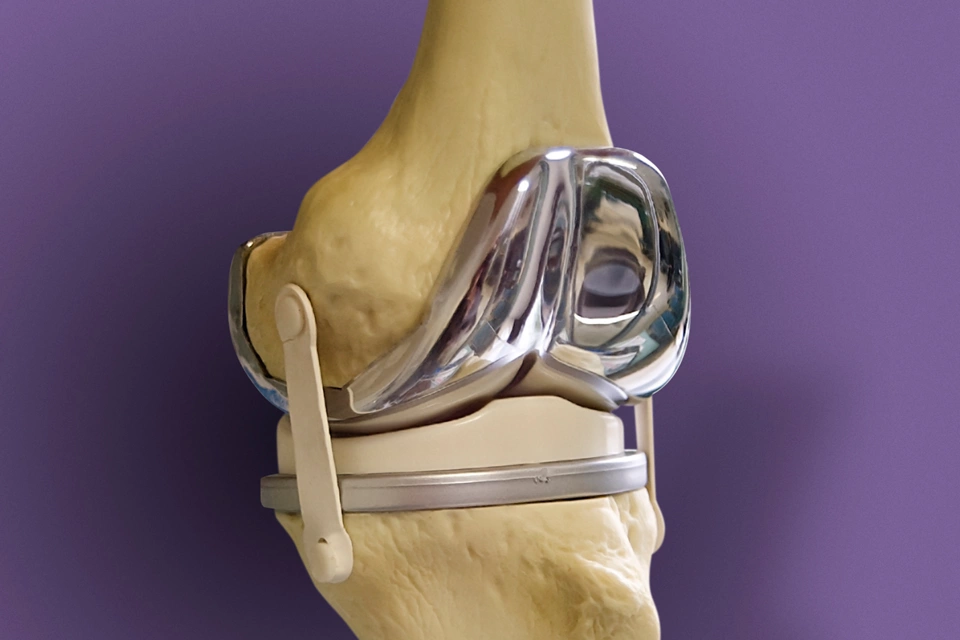
Medical implants to replace injured or deteriorated joints have proliferated, posing unique cleaning challenges due to the variety of materials, shapes and surfaces in their construction. Branson’s experience and expertise in precision cleaning provide the ideal solution for these sensitive orthopedic materials, working with customers to determine the most appropriate process and reduce the risk of contamination and damage during cleaning.
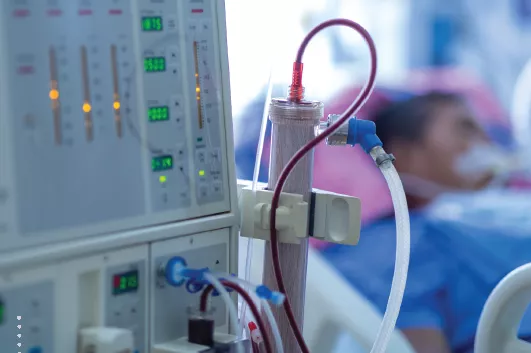
Longer lifespans mean aging populations and greater need for affordable renal dialysis. Our laser, ultrasonic, PulseStaking and infrared welding technologies provide joining and sealing solutions for hemodialysis filters, dry powder and fluid cartridges, tubing connections, and process flow-control components. These technologies are also critical for building and assembling the plastic manifolds, filters, tubing and flow controls that make affordable, at-home peritoneal dialysis possible.
Medically precise, yet portable, pocket-sized inhalers bring fast relief to asthma, COPD, and allergy patients. These inhalers, as well as CPAP nebulizers used for sleep apnea, rely on lightweight, ultrasonically welded plastic assemblies to dose and deliver aerosols, medications, or conditioned air supplies to relieve patient symptoms. Medical manufacturers can rely on Branson joining technologies to deliver those assemblies with validated and traceable quality data.
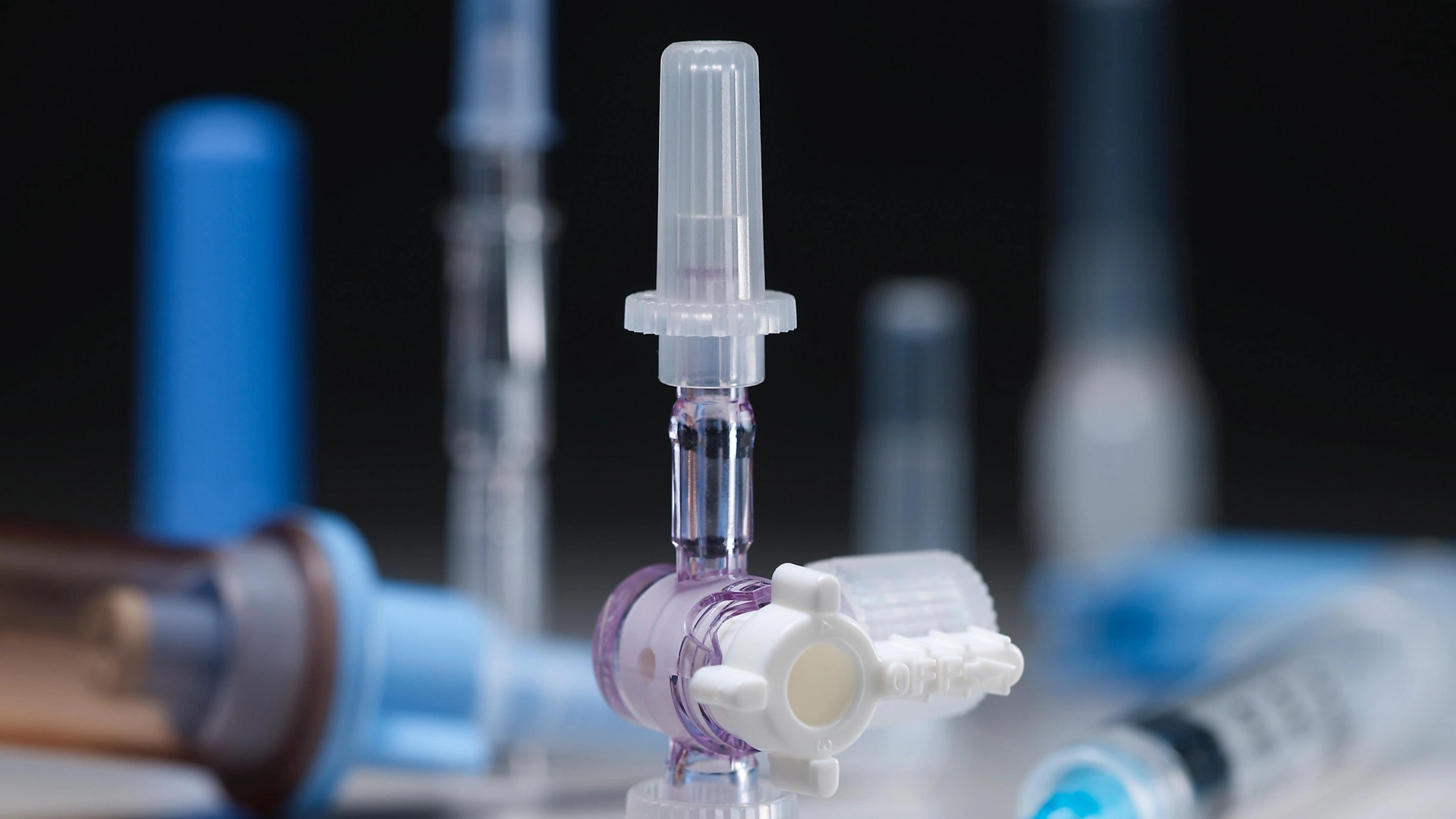
High-volume production of high-purity drug delivery devices, including IV fluid and medication bags, infusion kits, syringe filters, ports, and tube connections are vital to storing, protecting and delivering drugs, fluids, blood and blood products to millions of patients daily. Many products rely on ultrasonic welds and particulate-free laser welds and seals. New “safe” syringe designs rely on ultrasonically welded safety caps to actuate after injections to prevent accidental needle sticks.
Our technologies bond the plastic housings, handles, and covers of electrosurgical pencils, surgical robots, and flexible scopes. These not only make them easy to grip, but also to sterilize, since there are no fasteners or surface holes to conceal contaminants. Laser welds join high-purity connections used for cardiopulmonary bypass lines and filters, while ultrasonic welds join the plastics essential to surgical trocars, staplers, and wound drainage bags and bottles.
Combining exceptional speed with high quality, automated ultrasonic welders cut, seam, and “stitch” medical-grade nonwoven fabrics into a range of personal protective equipment from high-performance filtering respirators to medical-surgical masks, gowns and drapes. With a different mix of nonwoven materials, ultrasonic welds produce absorbent, personal hygiene, and infection control products with strong, hermetic seals and consistent quality.
Medical implants to replace injured or deteriorated joints have proliferated, posing unique cleaning challenges due to the variety of materials, shapes and surfaces in their construction. Branson’s experience and expertise in precision cleaning provide the ideal solution for these sensitive orthopedic materials, working with customers to determine the most appropriate process and reduce the risk of contamination and damage during cleaning.
Appropriate precision cleaning of instruments used in surgery, biopsy needles, coated consumables and cranial drills is critical. These tools have grown increasingly more complex, constructed with delicate materials in shapes that make their surfaces challenging to reach. Branson offers ultrasonic cleaning options designed for these very specialized needs, including a solvent process with vapor degreasing and a water-based aqueous process.

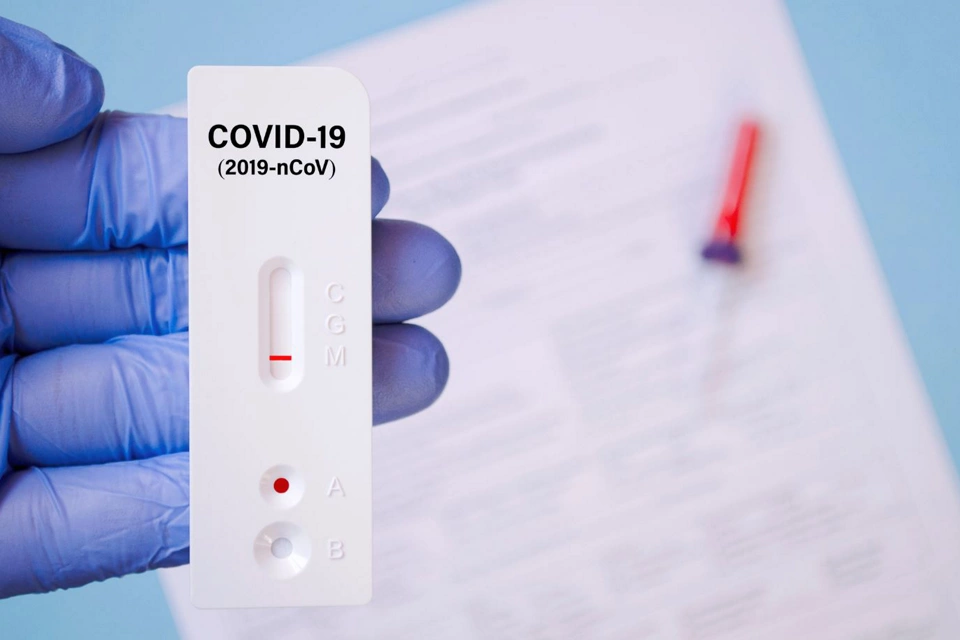
Speed is crucial, quick diagnosis is a critical first step to getting effective treatment and most importantly prevent the disease from spreading. In vitro tests can be performed anywhere a Patients Point of Care is delivered, in laboratories, health care facilities or even in your home.